All articles
In-depth articles on backend, data, system architecture and software development.
Search articles
Search articles
All articles
In-depth articles on backend, data, system architecture and software development.
All articles
In-depth articles on backend, data, system architecture and software development.
In-depth articles on backend, data, system architecture and software development.
13 articles
%22/%3E %3Crect width=%221200%22 height=%22630%22 fill=%22url(%23glow)%22/%3E %3Crect width=%221200%22 height=%22630%22 fill=%22url(%23grid)%22/%3E %3Crect x=%22100%22 y=%22160%22 width=%22370%22 height=%22310%22 rx=%2216%22 fill=%22%23bf5af2%22 fill-opacity=%220.16%22 stroke=%22%23da8fff%22 stroke-opacity=%221%22 stroke-width=%223%22/%3E%3Ctext x=%22132%22 y=%22222%22 fill=%22%23da8fff%22 font-family=%22ui-monospace,SFMono-Regular,Menlo,monospace%22 font-size=%2244%22 font-weight=%22700%22 text-anchor=%22start%22%3E>_%3C/text%3E%3Crect x=%22132%22 y=%22262%22 width=%22290%22 height=%2210%22 rx=%225%22 fill=%22%23da8fff%22 fill-opacity=%220.7%22/%3E%3Crect x=%22132%22 y=%22292%22 width=%22230%22 height=%2210%22 rx=%225%22 fill=%22%23da8fff%22 fill-opacity=%220.7%22/%3E%3Crect x=%22132%22 y=%22322%22 width=%22260%22 height=%2210%22 rx=%225%22 fill=%22%23da8fff%22 fill-opacity=%220.7%22/%3E%3Crect x=%22132%22 y=%22352%22 width=%22170%22 height=%2210%22 rx=%225%22 fill=%22%23da8fff%22 fill-opacity=%220.7%22/%3E%3Crect x=%22132%22 y=%22382%22 width=%22220%22 height=%2210%22 rx=%225%22 fill=%22%23da8fff%22 fill-opacity=%220.7%22/%3E%3Crect x=%22132%22 y=%22412%22 width=%22140%22 height=%2210%22 rx=%225%22 fill=%22%23da8fff%22 fill-opacity=%220.7%22/%3E%3Cpath d=%22M470 300 C600 300 620 145 752 145%22 fill=%22none%22 stroke=%22%23da8fff%22 stroke-opacity=%220.55%22 stroke-width=%223%22 stroke-linecap=%22round%22 stroke-linejoin=%22round%22 marker-end=%22url(%23arrow-quiet)%22/%3E%3Cpath d=%22M760 175 C630 175 610 340 478 340%22 fill=%22none%22 stroke=%22%23da8fff%22 stroke-opacity=%220.55%22 stroke-width=%223%22 stroke-linecap=%22round%22 stroke-linejoin=%22round%22 stroke-dasharray=%2210 10%22/%3E%3Crect x=%22760%22 y=%22100%22 width=%22340%22 height=%22112%22 rx=%2216%22 fill=%22%23bf5af2%22 fill-opacity=%220.06%22 stroke=%22%23da8fff%22 stroke-opacity=%220.55%22 stroke-width=%223%22/%3E%3Ctext x=%22788%22 y=%22150%22 fill=%22%238aa0b8%22 font-family=%22ui-monospace,SFMono-Regular,Menlo,monospace%22 font-size=%2230%22 font-weight=%22700%22 text-anchor=%22start%22%3E>_%3C/text%3E%3Crect x=%22840%22 y=%22138%22 width=%22230%22 height=%2212%22 rx=%226%22 fill=%22%23da8fff%22 fill-opacity=%220.18%22/%3E%3Crect x=%22840%22 y=%22138%22 width=%22184%22 height=%2212%22 rx=%226%22 fill=%22%23da8fff%22 fill-opacity=%220.5%22/%3E%3Crect x=%22788%22 y=%22174%22 width=%22250%22 height=%2210%22 rx=%225%22 fill=%22%23da8fff%22 fill-opacity=%220.3%22/%3E%3Cpath d=%22M470 300 C600 300 620 305 752 305%22 fill=%22none%22 stroke=%22%23da8fff%22 stroke-opacity=%221%22 stroke-width=%223%22 stroke-linecap=%22round%22 stroke-linejoin=%22round%22 marker-end=%22url(%23arrow-strong)%22/%3E%3Cpath d=%22M760 335 C630 335 610 340 478 340%22 fill=%22none%22 stroke=%22%23da8fff%22 stroke-opacity=%220.55%22 stroke-width=%223%22 stroke-linecap=%22round%22 stroke-linejoin=%22round%22 stroke-dasharray=%2210 10%22/%3E%3Crect x=%22760%22 y=%22260%22 width=%22340%22 height=%22112%22 rx=%2216%22 fill=%22%23bf5af2%22 fill-opacity=%220.16%22 stroke=%22%23da8fff%22 stroke-opacity=%221%22 stroke-width=%223%22/%3E%3Ctext x=%22788%22 y=%22310%22 fill=%22%23da8fff%22 font-family=%22ui-monospace,SFMono-Regular,Menlo,monospace%22 font-size=%2230%22 font-weight=%22700%22 text-anchor=%22start%22%3E>_%3C/text%3E%3Crect x=%22840%22 y=%22298%22 width=%22230%22 height=%2212%22 rx=%226%22 fill=%22%23da8fff%22 fill-opacity=%220.18%22/%3E%3Crect x=%22840%22 y=%22298%22 width=%22103.5%22 height=%2212%22 rx=%226%22 fill=%22%23da8fff%22 fill-opacity=%220.9%22/%3E%3Crect x=%22788%22 y=%22334%22 width=%22250%22 height=%2210%22 rx=%225%22 fill=%22%23da8fff%22 fill-opacity=%220.3%22/%3E%3Cpath d=%22M470 300 C600 300 620 465 752 465%22 fill=%22none%22 stroke=%22%23da8fff%22 stroke-opacity=%220.55%22 stroke-width=%223%22 stroke-linecap=%22round%22 stroke-linejoin=%22round%22 marker-end=%22url(%23arrow-quiet)%22/%3E%3Cpath d=%22M760 495 C630 495 610 340 478 340%22 fill=%22none%22 stroke=%22%23da8fff%22 stroke-opacity=%220.55%22 stroke-width=%223%22 stroke-linecap=%22round%22 stroke-linejoin=%22round%22 stroke-dasharray=%2210 10%22/%3E%3Crect x=%22760%22 y=%22420%22 width=%22340%22 height=%22112%22 rx=%2216%22 fill=%22%23bf5af2%22 fill-opacity=%220.06%22 stroke=%22%23da8fff%22 stroke-opacity=%220.55%22 stroke-width=%223%22/%3E%3Ctext x=%22788%22 y=%22470%22 fill=%22%238aa0b8%22 font-family=%22ui-monospace,SFMono-Regular,Menlo,monospace%22 font-size=%2230%22 font-weight=%22700%22 text-anchor=%22start%22%3E>_%3C/text%3E%3Crect x=%22840%22 y=%22458%22 width=%22230%22 height=%2212%22 rx=%226%22 fill=%22%23da8fff%22 fill-opacity=%220.18%22/%3E%3Crect x=%22840%22 y=%22458%22 width=%22230%22 height=%2212%22 rx=%226%22 fill=%22%23da8fff%22 fill-opacity=%220.5%22/%3E%3Crect x=%22788%22 y=%22494%22 width=%22250%22 height=%2210%22 rx=%225%22 fill=%22%23da8fff%22 fill-opacity=%220.3%22/%3E %3C/svg%3E)
My delegated agent said "Done" and the working tree hadn't changed a line. Here is how I run Claude Code, Codex and OpenCode as a team without trusting any report: stand-alone briefs whose "done" is a command, and a git diff review every time.
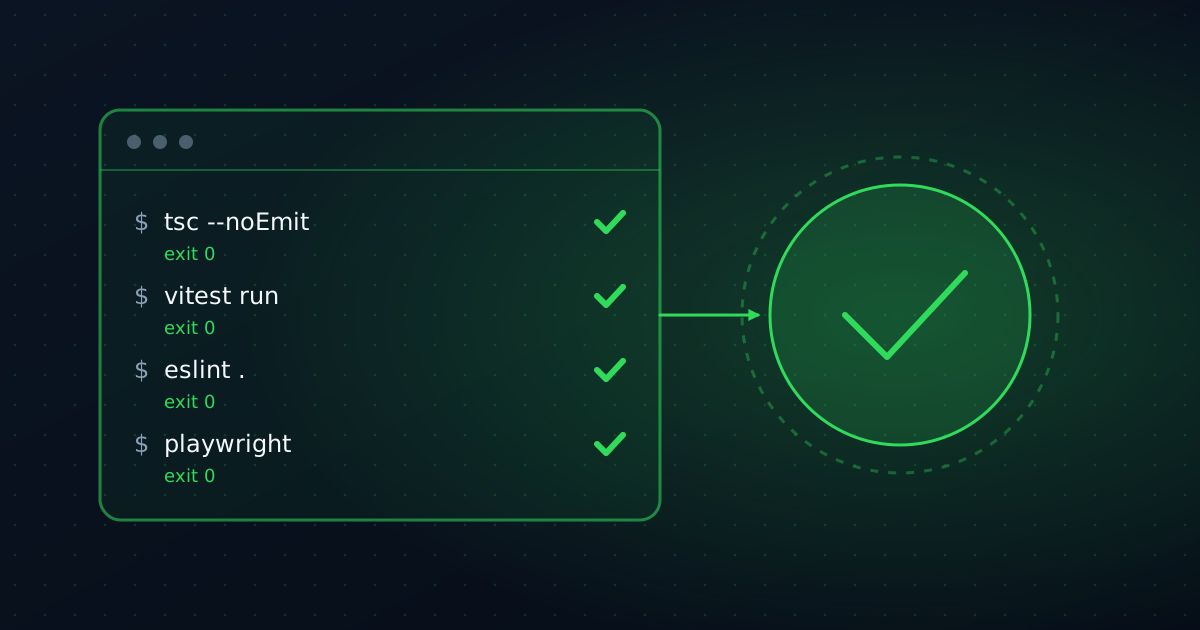
The agent said “done, tests pass”, both halves were true, and the form still saved nothing. How to turn an AI agent's “done” into evidence: seven labels, a five-rung ladder and receipts that say what they don't prove.
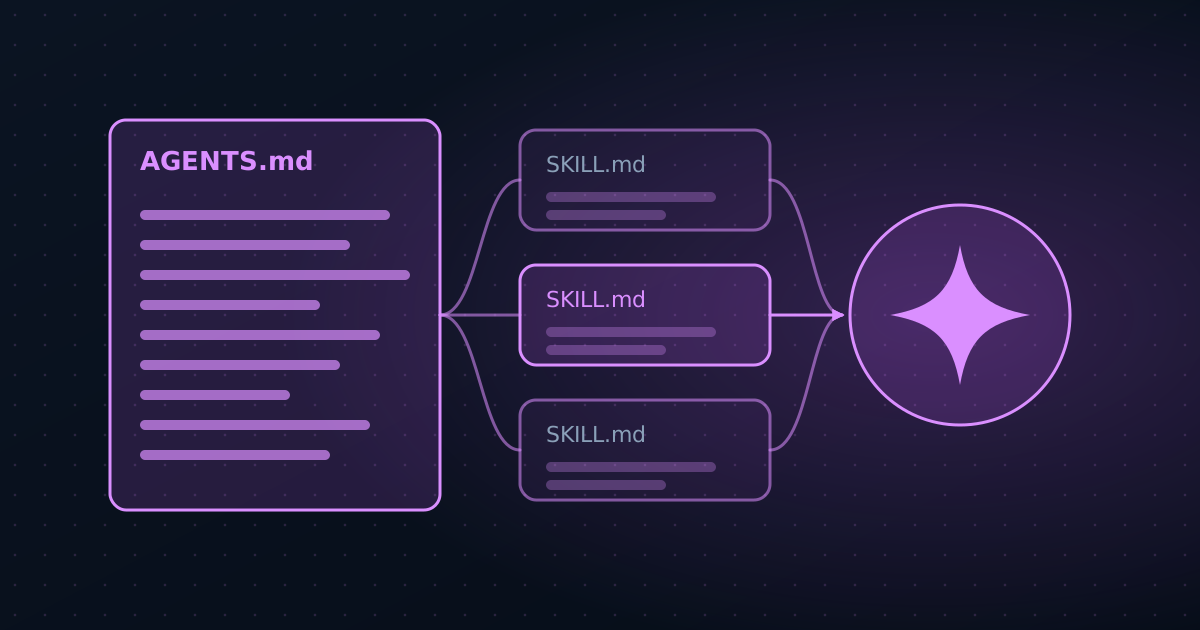
A copied rule is a fork with no merge step, and your agents will follow the stale copy without a single error. Here is how to keep CLAUDE.md, AGENTS.md and skills pointing at one rulebook.
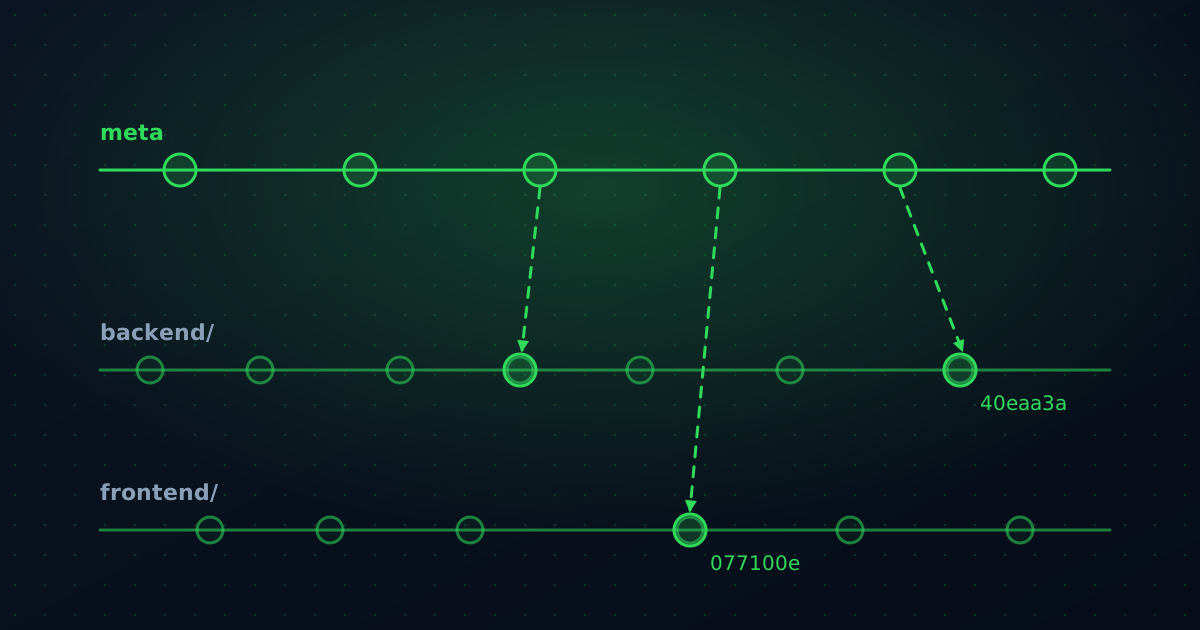
Your clone works and CI's fails: someone pinned a commit that only exists on their laptop. A git submodule is a pointer to one exact commit, and every safe rule, from detached HEAD to who may commit, follows from that.
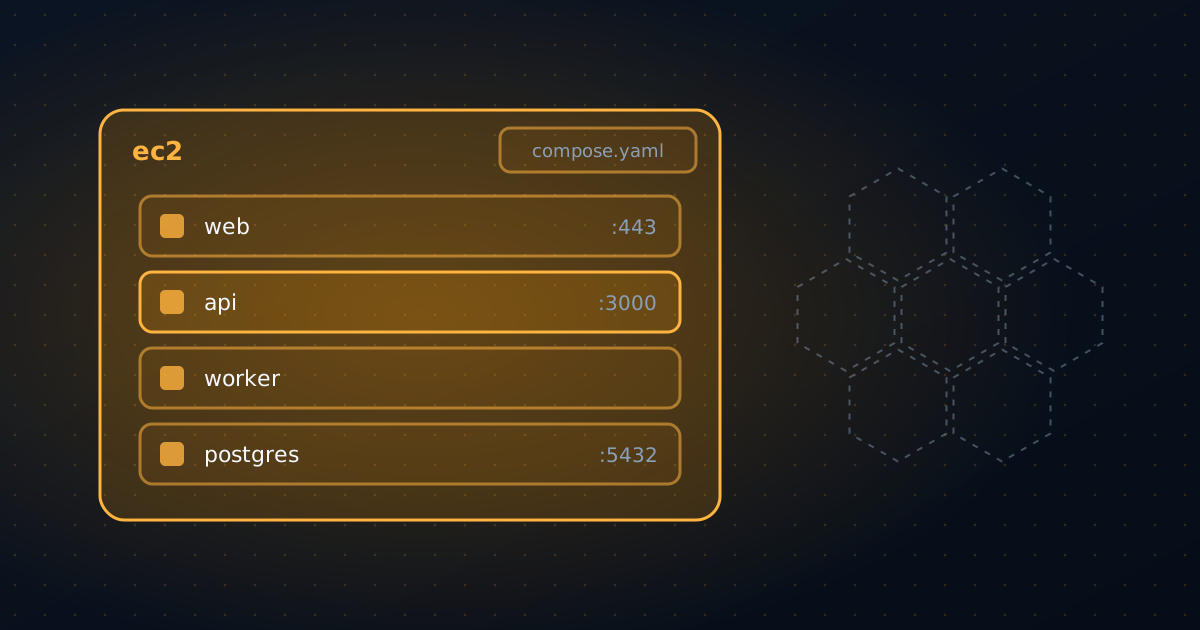
One docker compose up can start thirteen NestJS services on a single EC2 host, but it can't redeploy without dropping requests or survive losing that host. Where that line sits, and the signals that say it's time for ECS or Kubernetes.
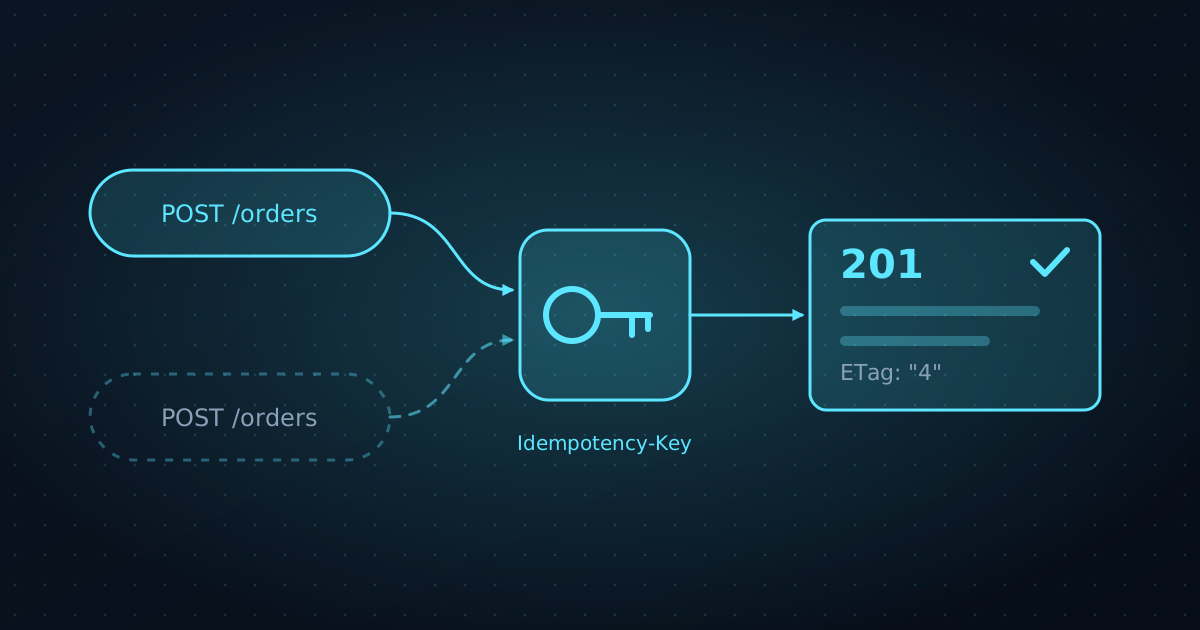
A timed-out request may have succeeded, failed or never arrived. How a receipt that commits with the order, plus If-Match versions, makes every retry safe, and why you need both.
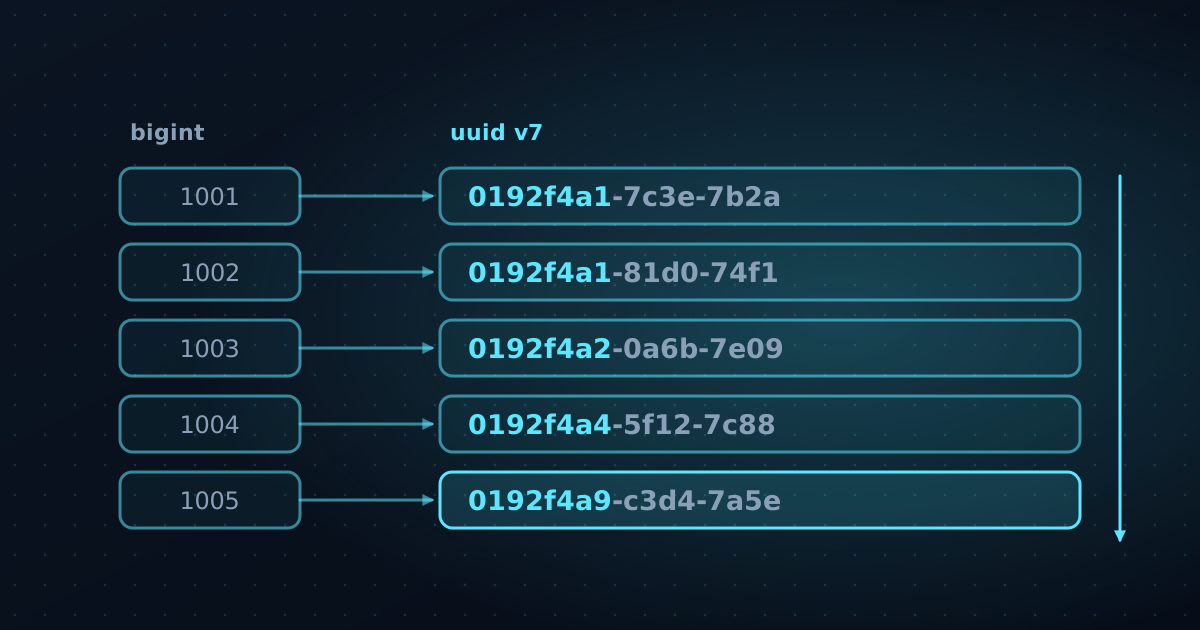
A URL ending in /orders/1042 tells strangers more than you meant. Why every addressable row gets a bigint for joins and a UUIDv7 for the outside, and what that second id really costs.
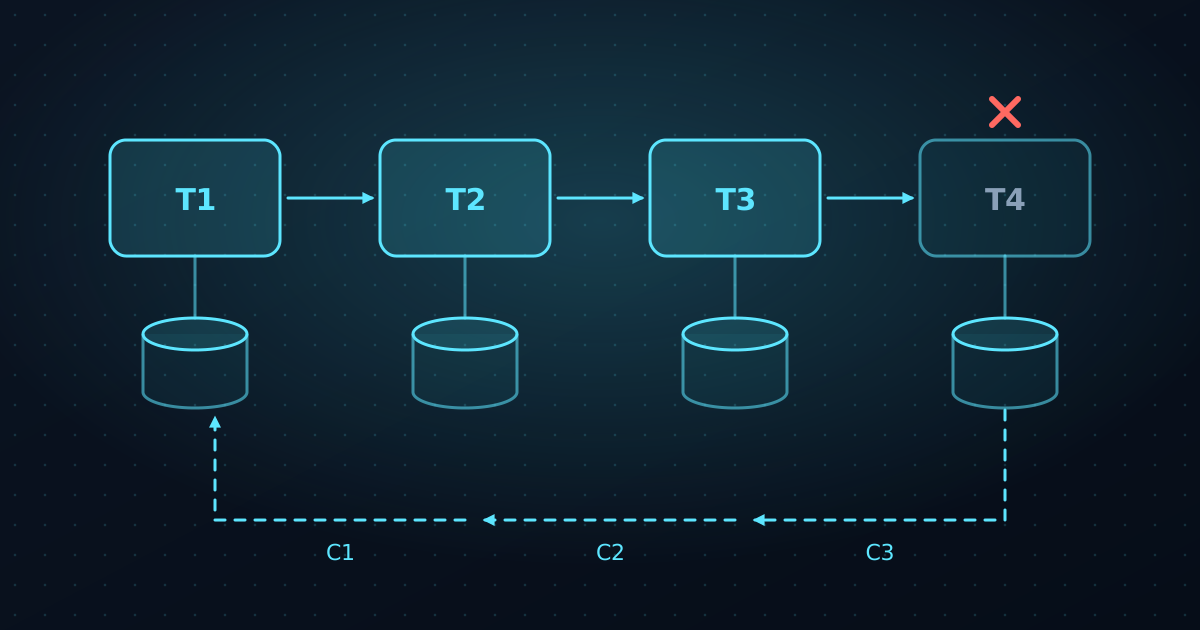
Thirteen services share one Postgres cluster, yet none can read another's tables. What that isolation buys, what a shared cluster quietly takes back, and how a saga with planned compensations replaces the JOIN.
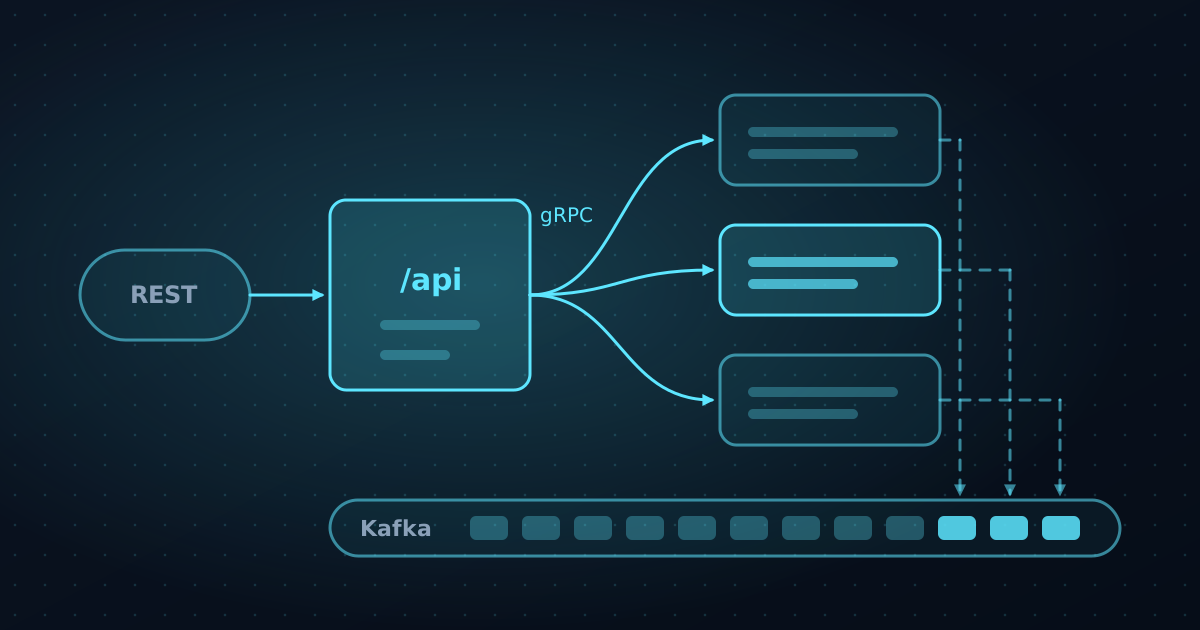
The gateway gave up after a minute; the gRPC call underneath had no deadline and kept working for a client that was gone. Three ordered questions pick REST, gRPC or Kafka, and each transport's failure mode tells you what to guard.
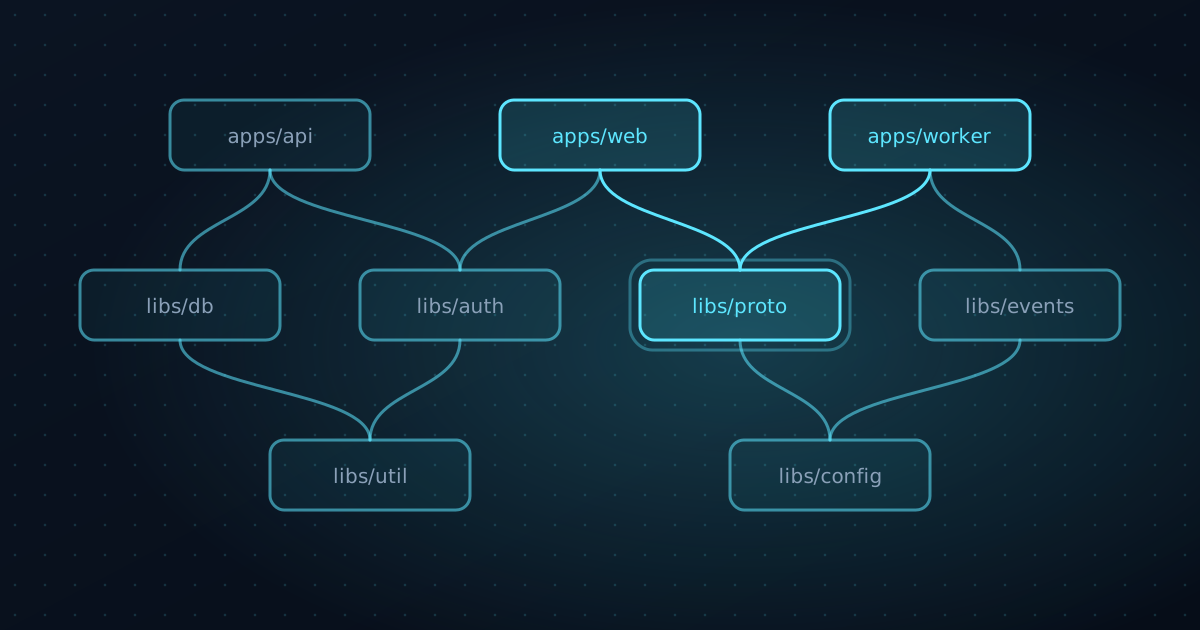
One commit can change a gRPC contract and every caller, but the deploys still land one at a time. Here is how thirteen NestJS services share one Nx workspace and still boot, ship and evolve alone.
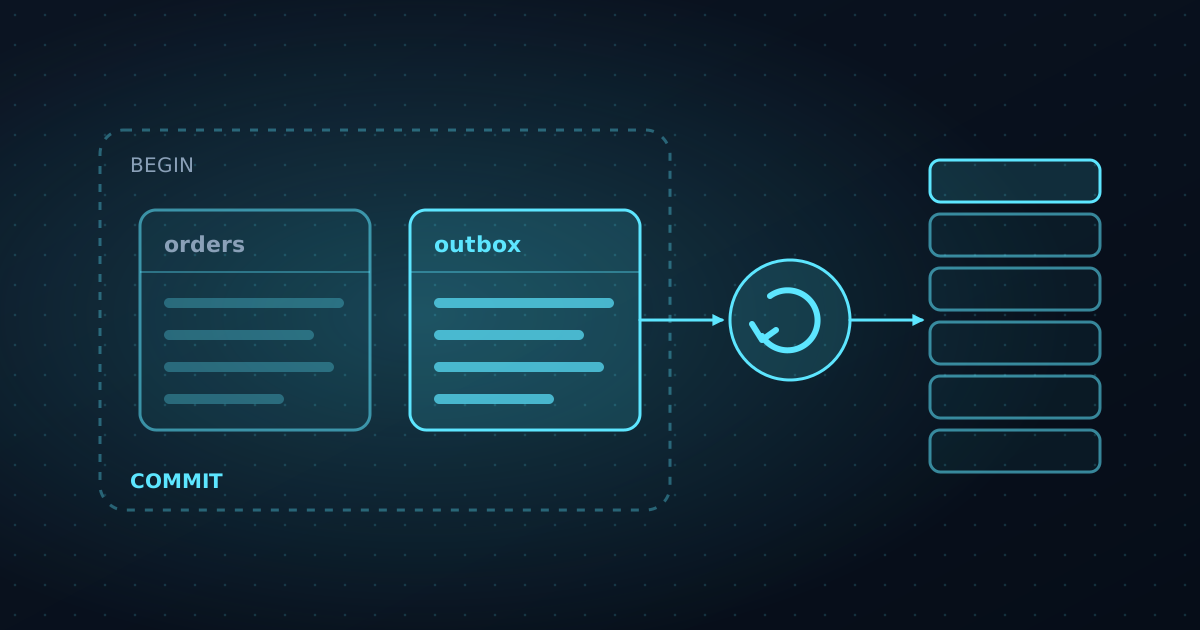
The outbox table is the easy part. Lost and duplicated events come from the relay and the consumer: who claims a row, what happens when a sender stalls, and how an inbox spots the same event twice.
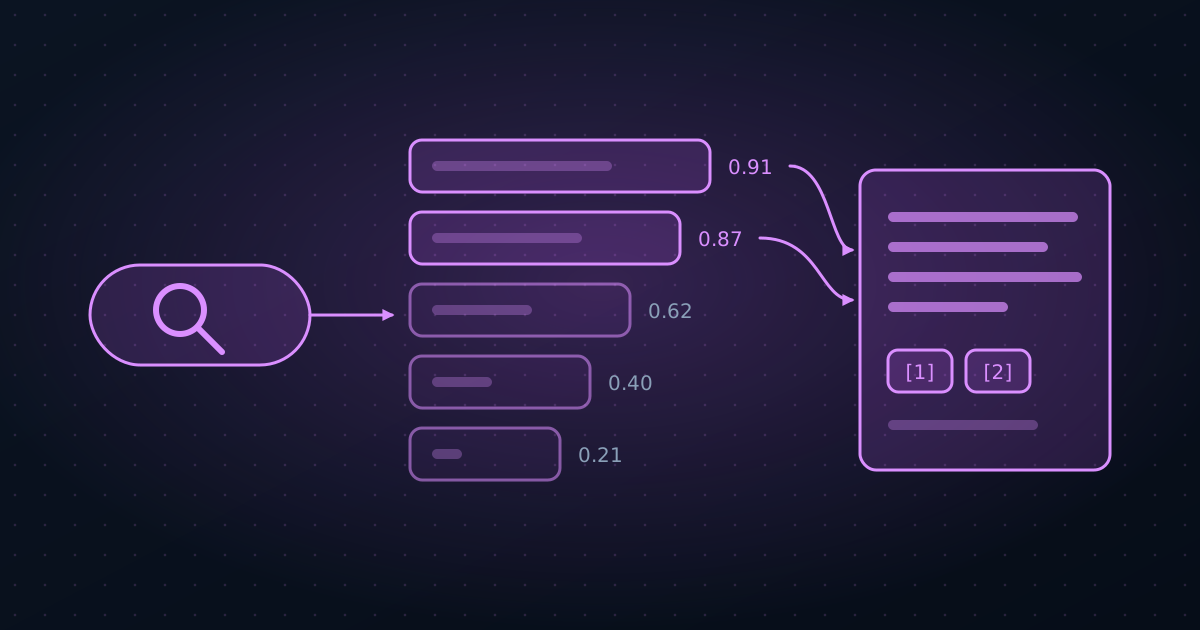
Vector search is the easy part of RAG. The hard part is what happens when nothing matches, how an answer proves its source, and how the index stays fresh, all inside Postgres.
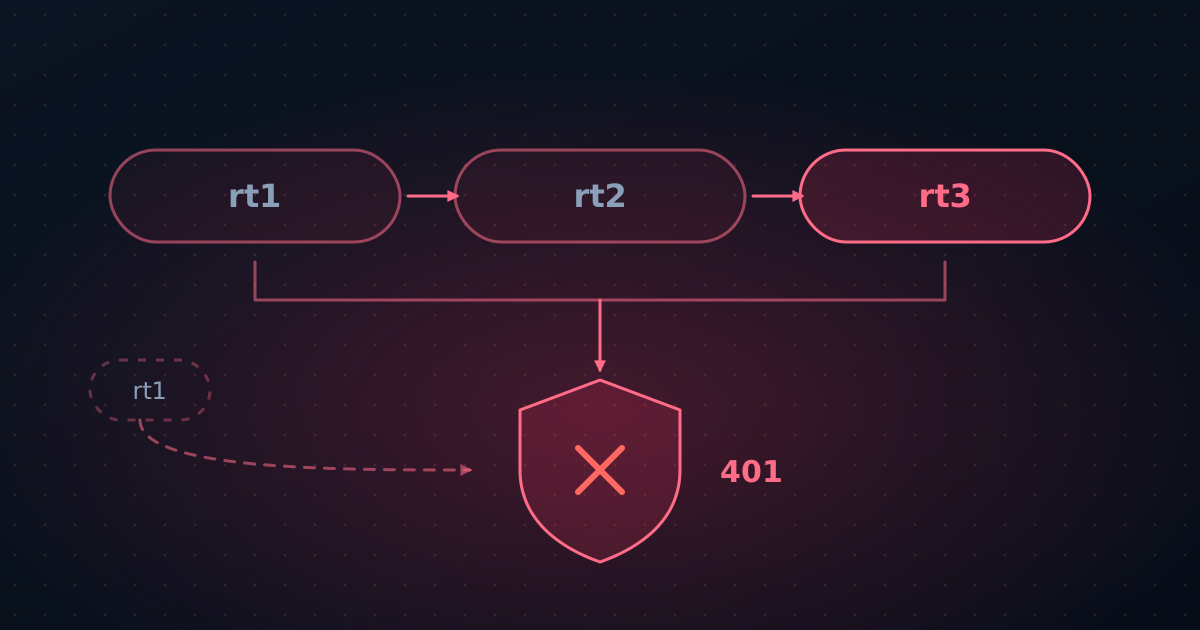
A copied refresh token works exactly like the real one, so the server can't tell user from thief. How rotation and reuse detection make the second holder trip an alarm, from real code, plus the gaps it still leaves.
You have seen all 13 articles.